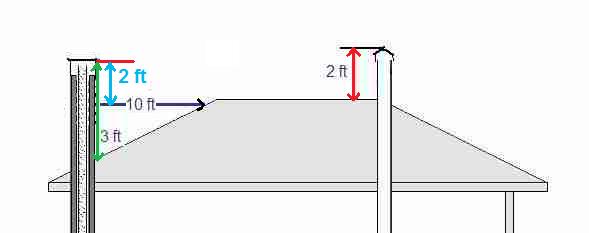
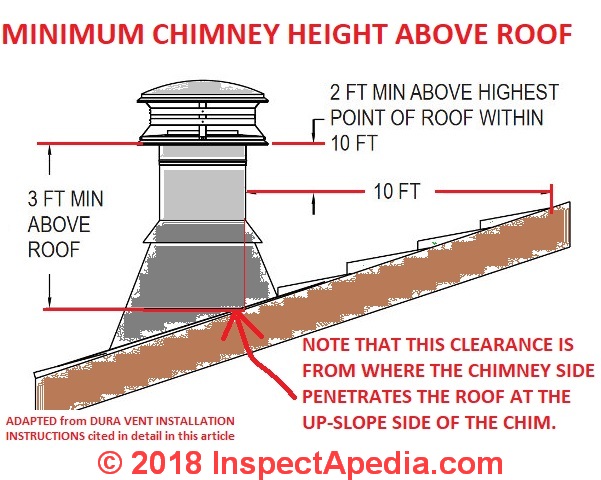
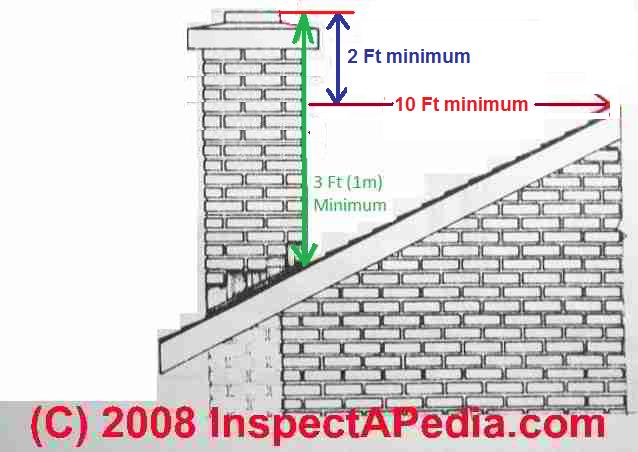
The top of the chimney should be at least 2 Ft 061m above the ridge or above anything within a 10 ft radius the vertical red line at the left of our photo The top of the chimney should be at least 2 ft 061m above the roof surface for Type L and. Clay pumice and concrete liners can be used to reline an existing chimney.

Chimney Height The 2 Foot 10 Foot 3 Foot Rule Ask The Chimney Sweep
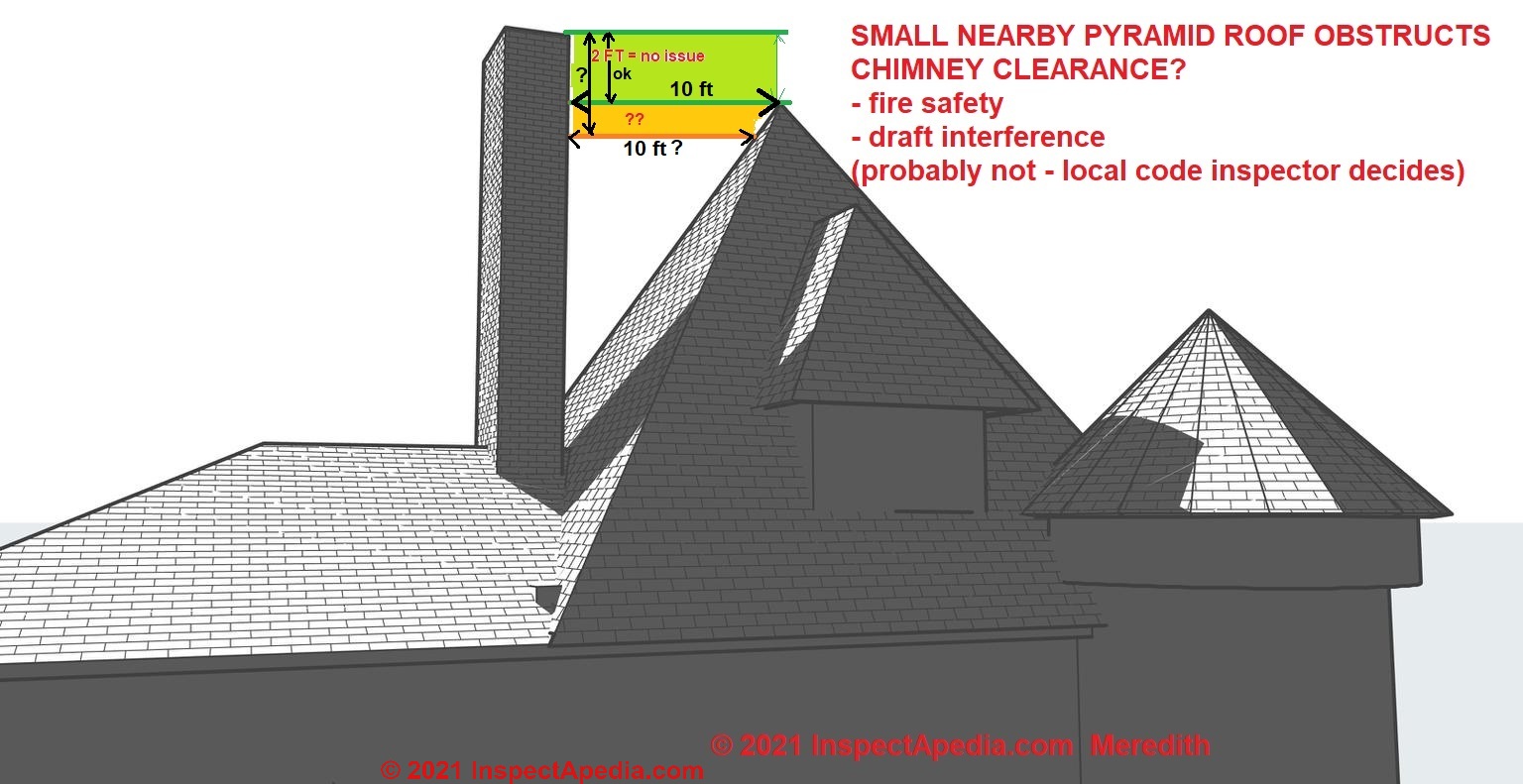
For most small structures like small cabins and tiny homes the tallest part of the structure is within 10 of the chimney.

How high should a chimney be above the roof uk. As a guide a chimney that is 45m high from top of stove to top of pot should be high enough to ensure the stove has sufficient draft. Ensure the top of the chimney pots are at least 18 metres above the thatch. For natural draft appliances it is recommended that a vertical rise of 600mm should be allowed immediately above the appliance before any change of direction.
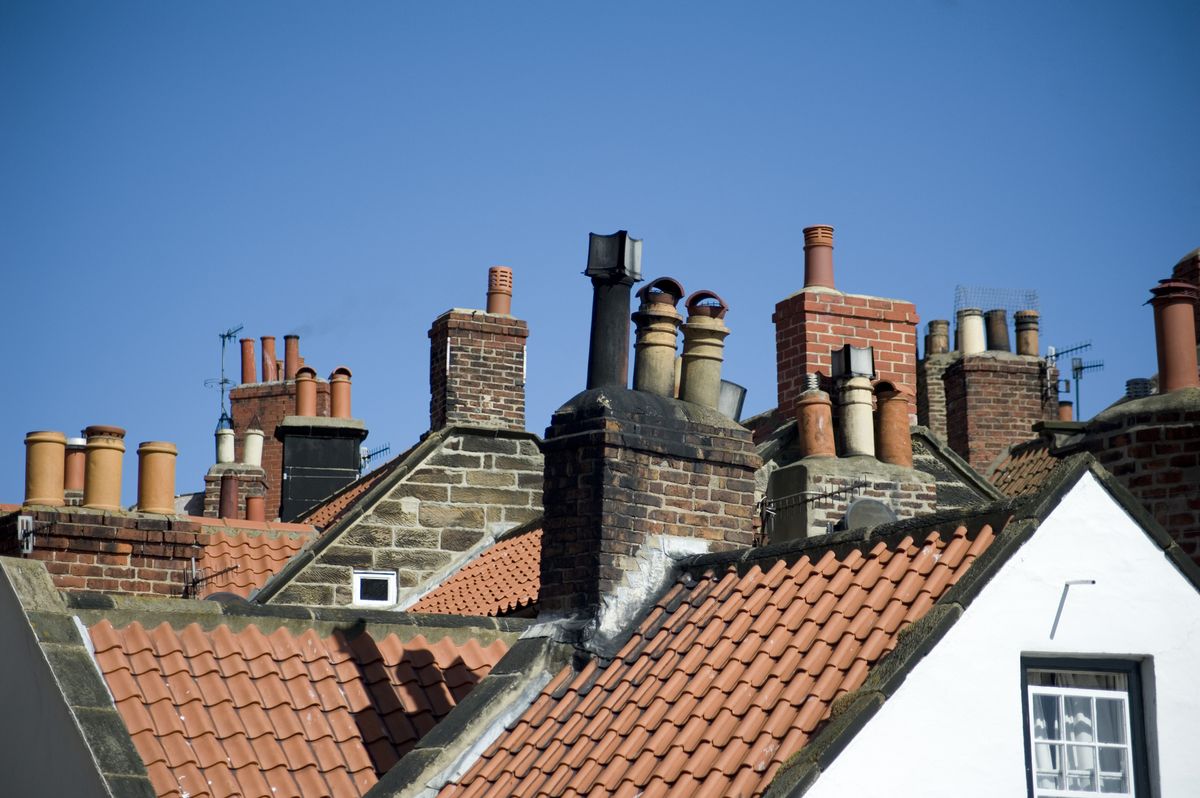
To form a chimney the liners have to be surrounded with at least 100mm thick brick block or stonework with the gap in between filled with a suitable insulating concrete mix. Chimneys need to be high enough to ensure that smoke is directed away from where it might be harmful to your neighbours. The current code states that chimney openings need to be at least 300mm higher than the highest part of any roof within 36 metres of the chimney.
The chimney should extend at least 3 feet above the roof surface it penetrates and 2 feet higher than any roofline or other obstacle within a horizontal distance of 10 feet. The distance between the cowl of the flue and the adjacent roofwallstructure should be. The chimney opening above the roof of a sticks and bricks house should be 3 feet above the roof line or 2 feet above any part of the building within 10 whichever is higher.
Roughly this means that a chimney should be 3 feet higher than the point it passes through a roof while also being at least 2 feet taller than any part of a building thats within 10 feet of the chimney. For chimneys that are LESS than 10 feet from the roof ridge measured at the up-roof side of the chimney the chimney should be at least 2 ft. Out of a shed or caravan or boat.
Where System Chimneys are used always use the standard offset components which are available from the chimney manufacturer. 7 rows degrees the height of flue or chimney stack will need to be at least 1800mm above the roof. This means that below 38 degree roof pitches that the height of the flue outlet should be at least 1800mm above the roof when not close to the ridge and above 38 degree roof pitches the flue outlet height should be 2300mm horizontally back to the roof flue height figures are given in the table above where the flue is not close to the ridge.
All new chimneys must be built on suitable foundations with a damp-proof course no less than 150mm above ground level and appropriate weathering where they pass through the roof. It comes down to 3 different types of chimneys having their own rules Vent caps larger than 12 must be located at least 2 feet above the highest point and 2 feet higher than any portion of the building within a horizontal distance of 10 feet. If the flue or chimney is elsewhere its height needs to be lifted until the termination point is 2300mm from the roof covering when measured horizontally and at least 1000mm high or at least as high as the ridge B.
See our section on chimneys. Chimney sizes When a chimney is not adequately supported by ties or securely restrained in any way its height H when measured from the highest point of intersection with the roof surface gutter. The chimney including the pot should terminate at least 18m above the height of the ridge.
Chimney Heights and Termination The minimum chimney height recommended for minimum performance of wood burning and multi fuel appliances is 45 m from the top of the appliance to the top of the chimney. In general outlets need to be at least 600mm above the ridge where they are on or within 600mm of the ridge itself A. Concrete and pumice liners should not be used with condensing applications.
The most common of these being the 2 foot 10 foot 3-foot rule. Taller chimneys make more draft but chimneys exposed to outside cold dont. The height requirement is thought to allow for any sparksembers to preferably die out before they exit the chimney or be ejected away from the thatch.
With a modern twin wall system you should get away with 35m or even 3m if you have to eg.

Chimneys And Flues A Guide To The Building Regulations

Chimneys And Flues A Guide To The Building Regulations
Chimney Height Rules Height Clearance Requirements For Chimneys How High Must A Chimney Be What Other Chimney Clearances Are Required For Fire Safety Or Function
A Guide To Chimneys Homebuilding
Chimney Height Rules Height Clearance Requirements For Chimneys How High Must A Chimney Be What Other Chimney Clearances Are Required For Fire Safety Or Function
Building Regulations For Stove And Flue Installations

Building Regulations For Stove And Flue Installations
Chimney Leaking What To Do If You Have A Chimney Leak
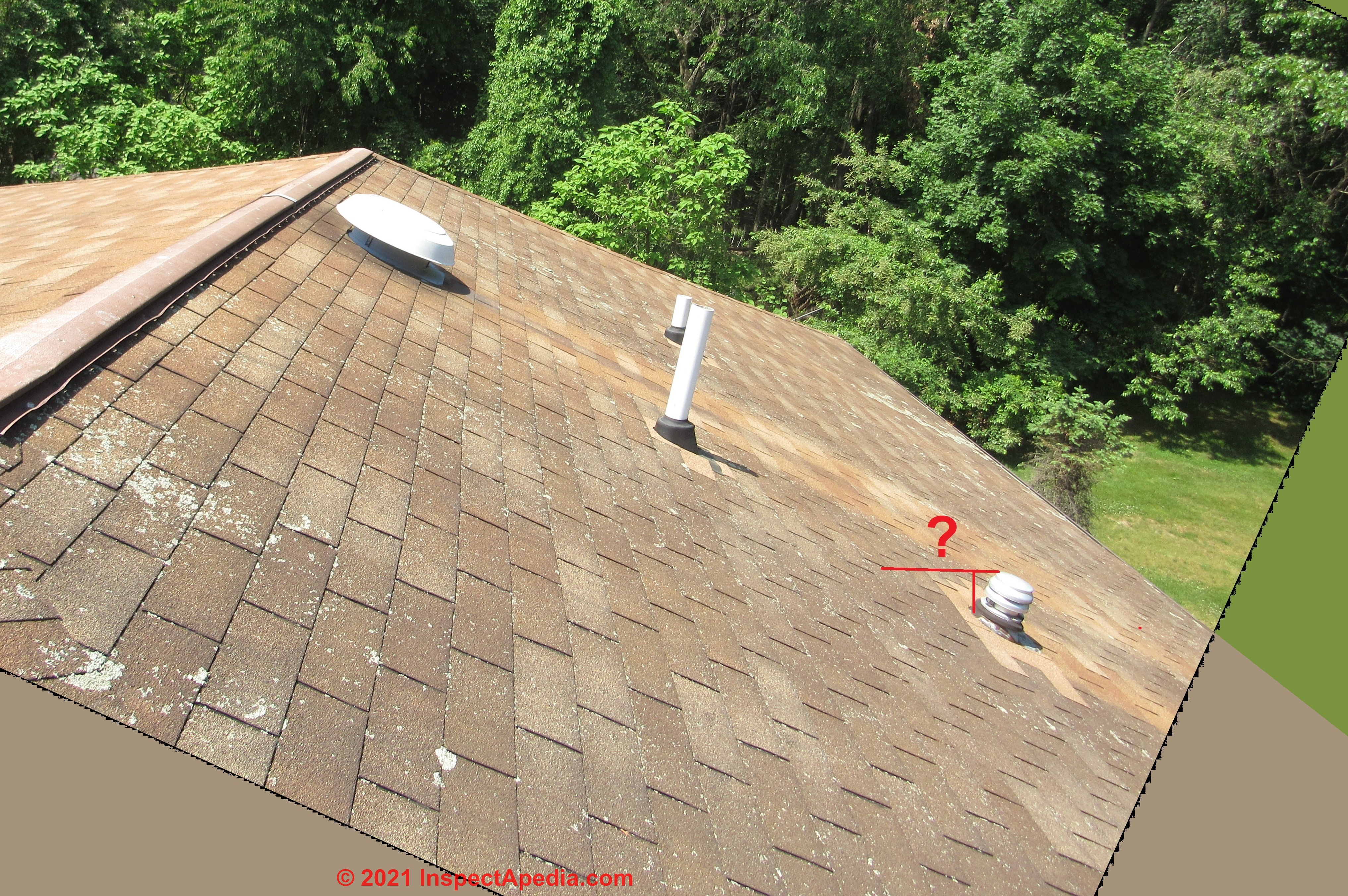
Chimney Height Rules Height Clearance Requirements For Chimneys How High Must A Chimney Be What Other Chimney Clearances Are Required For Fire Safety Or Function
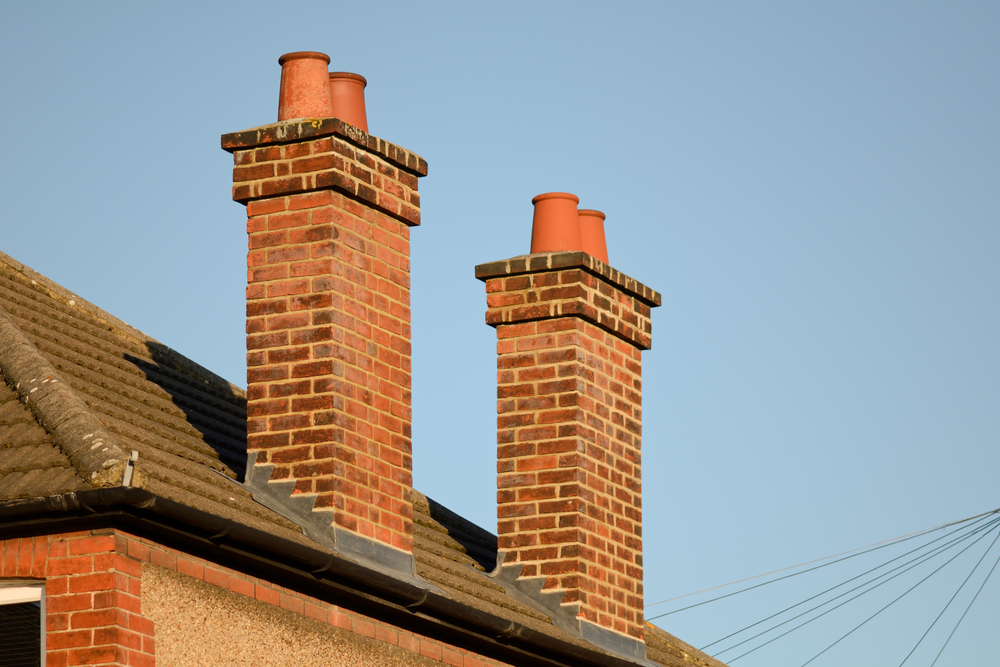
All Of Your Chimney Faqs Answered
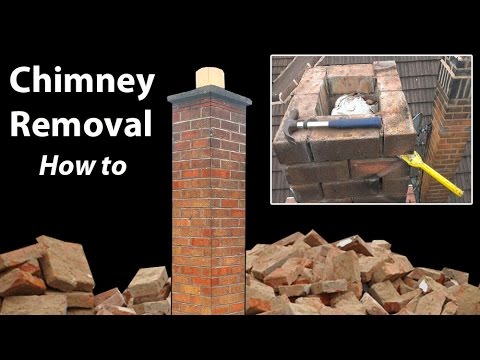
Removing A Chimney Below Roof Level How To Youtube

Bracing Support Requirements For Metal Chimney

Chimneys And Flues A Guide To The Building Regulations
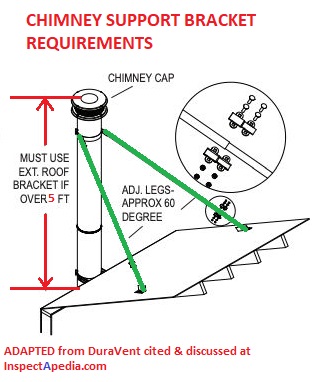
Bracing Support Requirements For Metal Chimney

How To Fix Chimney Leaks Full Service Chimney
Chimney Height Rules Height Clearance Requirements For Chimneys How High Must A Chimney Be What Other Chimney Clearances Are Required For Fire Safety Or Function

Chimney Heights Flue Pipes Com
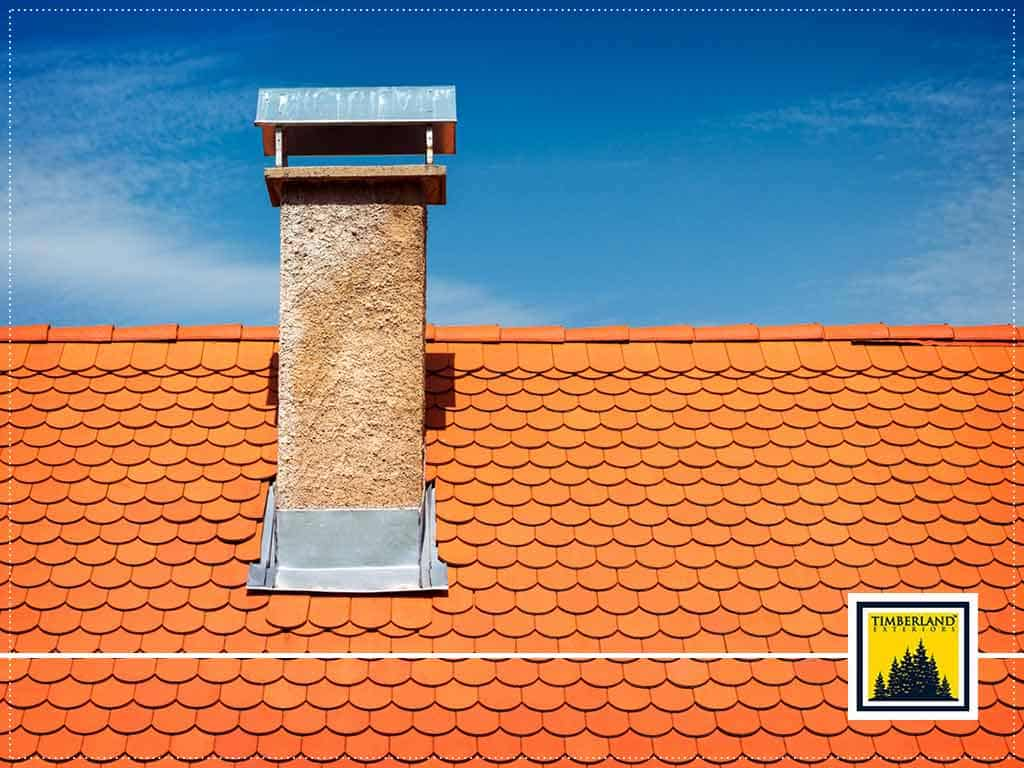
3 Things To Know About The 3 2 10 Rule For Masonry Chimneys
Chimney Height Rules Height Clearance Requirements For Chimneys How High Must A Chimney Be What Other Chimney Clearances Are Required For Fire Safety Or Function

